
A Bachelor of Science degree program in Fermentation Sciences was developed at Appalachian State University and approved by the UNC General Administration in June of 2012. Since then, students attending Appalachian State University have the option to pursue a BS degree in Fermentation Sciences (FER).
The Fermentation Sciences program is an inter-disciplinary degree offered in the A.R. Smith Department of Chemistry and Fermentation Sciences, within the College of Arts and Sciences, intended to provide students with a strong background in chemistry and biology as well as a considerable focus in business, marketing and entrepreneurial principles.
Fermentation Sciences Program of Study
Fermentation Sciences, Bachelor of Science Degree
Fermentation Sciences Job Board
Click here for job postings in the fermentation sciences field.
Check out the job board for both employment and internship opportunities.
Lost Province is offering the Kinney Baughman Brewing Internship which will be focused on the development of practical skills and knoledge of brewery operations for upper-class level students who wish to pursue careers related to brewery operations.
Fermentation Sciences Summer Brewing Short Course
Click here for information about the summer brewing short course.
Our goal is to prepare students to be extremely competitive in the fields of:
- Fermentation Sciences
- Wine and Brewing Sciences
- Food science and technology
- Bio-processing / Bio-technology
- Chemistry
- Biology (microbiology and plant biology)
- Agriculture Value Addition
- Business development
- Marketing
- Entrepreneurship
Fermentation Sciences core courses include:
- Principles of Fermentation Science
- Social Implications of Fermented Beverages
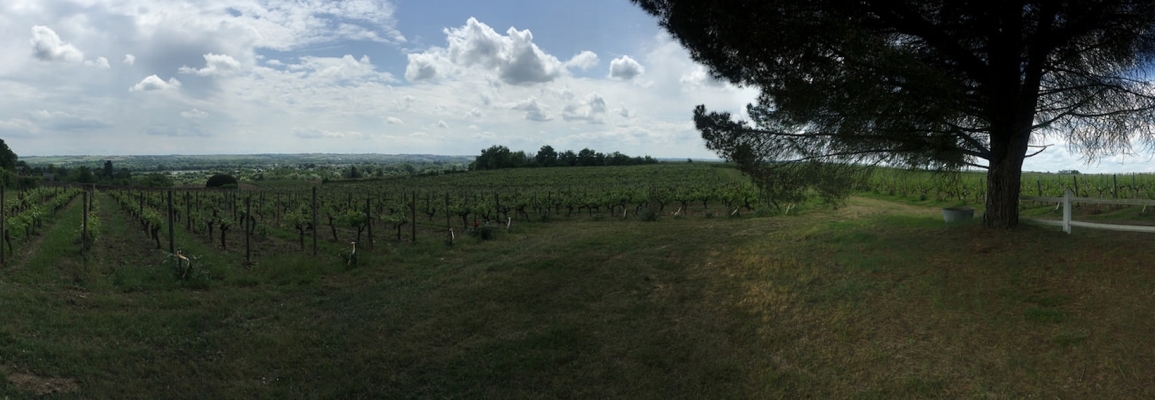
- Viticulture
- Bioprocessing
- Fermentation Microbiology
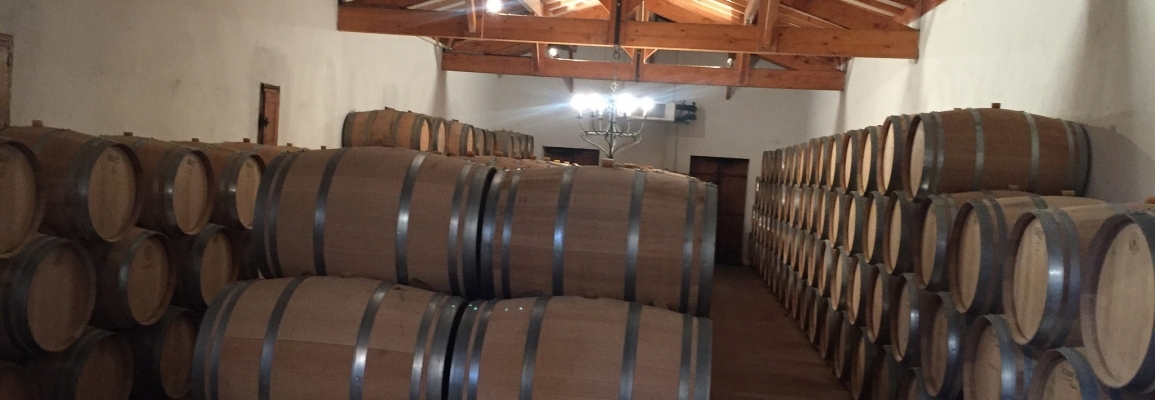
- Principles of Wine Production
- Winery Operations and Analysis
- Principles of Brewing Science
- Brewing Production and Analysis
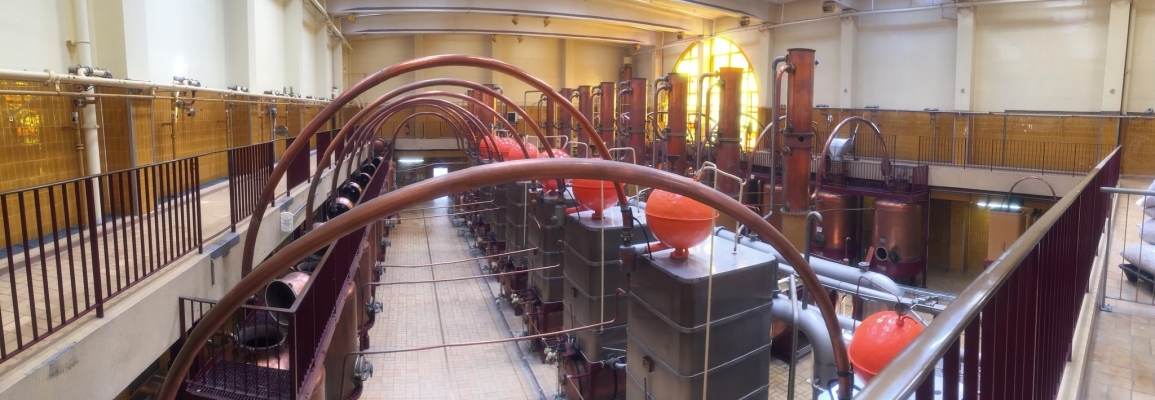
- Distillation Technology
- Sensory Analysis
- Fermentation Internship
Program Details
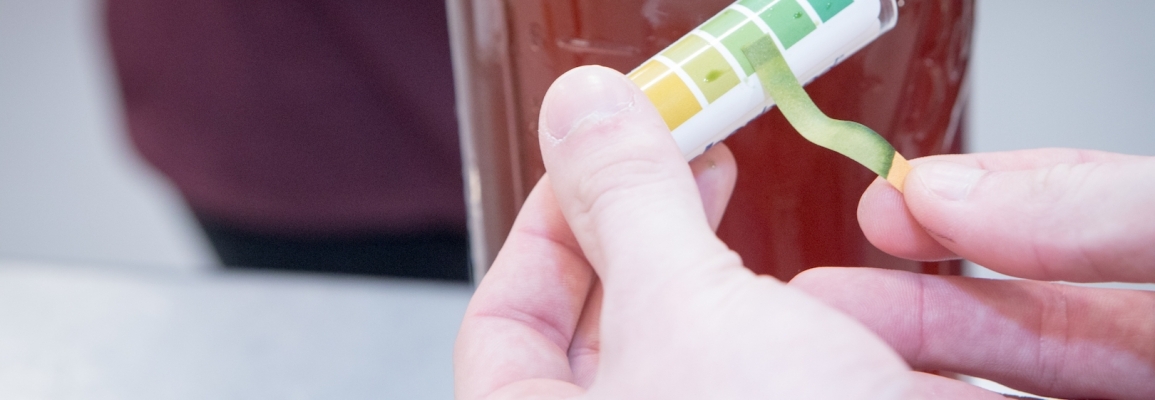
Students are required to fulfill rigorous core requirements in sciences and humanities while gaining exposure to principles of fermentation sciences, systems design and engineering, and understanding the social and cultural implications of food and beverage production. Upper-level students will have extensive hands-on experience with production systems including bio-processing technology to handle agricultural and industrial waste streams, water treatment, and environmental remediation. Students will be integral in the operations and management of the fermentation pilot plant - from designing innovative approaches for reducing resource utilizations and improving operating efficiencies to recipe development, research collaborations with industry partners, and business management of the Fermentation Pilot Plant. Appalachian students are expected to engage in all aspects of the discipline ranging from economics to applied science and laboratory methods for basic and advanced chemical and microbiological analyses.
Throughout the process of program development, Fermentation Sciences faculties have developed industry collaborations with local vineyards, wineries, breweries, distilleries, and biotechnology businesses to provide students with a "real-world" classroom for practical experience. Students within the program will also have the opportunity to work in the App State Chemistry and Fermentation Sciences Service Lab and develop their laboratory techniques while working with state of the art instrumentation.
The Fermentation Sciences academic curriculum was designed to encourage all students to pursue a minor in a discipline of their particular interest: Biology, Chemistry, Marketing, or Entrepreneurship. Students are advised to declare a minor early in their tenure to increase academic diversity among students and provide a specialization for each graduate. This will also contribute to the competitiveness of Appalachian graduates entering the workforce. In addition, a Fermentation Sciences Concentration has been developed for students obtaining a degree through the Department of Chemistry and Fermentation Sciences at Appalachian.
Connect with us
Request more information and receive email updates about Admissions events and deadlines.
You can also attend a Virtual Information Session with live Q&A to help you learn more about App State and the Admissions process.
Apply to App State
Take your first step to becoming a Mountaineer by visiting our Admissions website.
NOTE: When starting a new application, please select your appropriate student type and follow the steps on how to apply.